
How Food Shapes Your Mood
Discover the science behind dietary choices and emotional wellbeing. Explore how what you eat influences how you feel every single day.
The Food-Mood Connection
Your brain is one of the most metabolically active organs in your body. Every nutrient you consume sends signals to your nervous system, influencing neurotransmitters like serotonin, dopamine, and cortisol. These chemical messengers directly affect your mood, energy levels, and emotional resilience throughout the day.
Research from leading nutritional science institutions demonstrates that dietary patterns have profound effects on emotional states. When you understand how different foods impact your brain chemistry, you gain control over your daily wellbeing in ways you may never have imagined.
At Foodspiritbalance, we explore the evidence-based relationships between eating habits and emotional balance, helping you make informed choices about your dietary approach to happiness and resilience.

Your Daily Mood Journey
Follow these five key stages of how your dietary choices influence emotional wellness from morning to night.
Morning Fuel
Your breakfast sets the neurochemical foundation for the day. Choosing foods rich in complex carbohydrates, protein, and healthy fats triggers sustained serotonin release, establishing emotional stability before noon.
Mid-Morning Peaks
Your first snack choice determines whether you maintain focus or experience energy crashes. Nutrient-dense choices stabilise blood glucose and prevent mood fluctuations caused by rapid blood sugar swings.
Afternoon Balance
Lunch directly influences afternoon mood and mental clarity. Foods containing amino acids and B vitamins support dopamine and norepinephrine production, keeping motivation and positivity sustained.
Evening Transition
Your afternoon snacks and dinner choices influence emotional wind-down. Magnesium-rich foods and proper macronutrient balance help regulate cortisol, preparing your mind for relaxation and sleep.
Night Recovery
What you eat in the evening affects sleep quality, which profoundly impacts next-day mood. Foods supporting melatonin and serotonin synthesis create better emotional resilience the following day.
Weekly Patterns
Consistent dietary patterns create compounding effects on emotional stability. Over days and weeks, your food choices reshape neurotransmitter baseline levels and emotional regulation capabilities.
Key Research Insights
of serotonin is produced in the digestive system
of the brain is composed of fat, requiring dietary lipids
of neurotransmitters depend on amino acid availability
typical timeframe for dietary mood effects
Mood-Boosting Food Categories

Omega-3 Rich Foods
Fatty fish, flaxseeds, and walnuts contain omega-3 fatty acids essential for brain cell structure and function. These nutrients directly influence mood regulation and emotional resilience by supporting healthy brain inflammation responses.

Protein Sources
Eggs, legumes, poultry, and nuts provide amino acids that serve as building blocks for dopamine, norepinephrine, and serotonin. Adequate protein intake ensures your brain has the raw materials for optimal neurotransmitter production.

Antioxidant Vegetables
Berries, leafy greens, and colourful vegetables contain polyphenols that protect brain cells from oxidative stress. This protection reduces inflammation and supports the neurological environment necessary for stable mood and cognitive function.
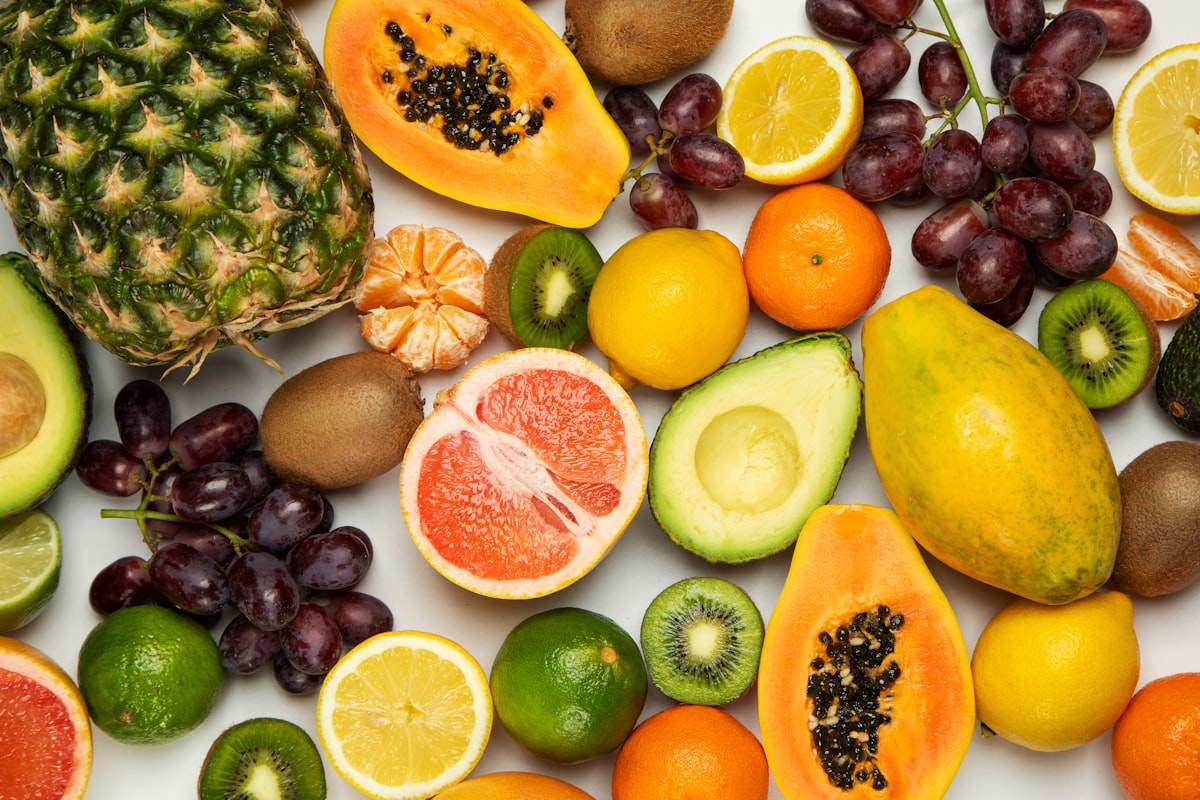
Complex Carbohydrates
Oats, brown rice, and whole grain bread trigger tryptophan uptake in the brain, facilitating serotonin synthesis. These foods provide sustained energy while promoting the neurochemical foundation for positive mood throughout the day.

Fermented Foods
Yoghurt, sauerkraut, and kombucha contain beneficial bacteria that influence gut-brain communication. The gut microbiome produces neurotransmitters and metabolites that directly impact emotional regulation and psychological resilience.

Mineral-Dense Foods
Pumpkin seeds, almonds, and dark chocolate are rich in magnesium, which regulates neurotransmitter function and stress response systems. This mineral is critical for emotional calm and anxiety regulation at the neurological level.
Why Foodspiritbalance
Evidence-Based Content
Our articles draw from peer-reviewed research in nutritional neuroscience, psychology, and biochemistry. We translate complex science into accessible insights you can apply immediately to your daily eating patterns.
Comprehensive Guides
From neurotransmitter basics to practical meal composition strategies, our editorial content covers every angle of how dietary choices shape emotional wellness. Browse detailed articles on specific mood challenges and food solutions.
Practical Insights
Beyond theory, we provide actionable guidance on food timing, nutrient pairing, and dietary patterns that support emotional balance. Our content empowers you to become an informed advocate for your own wellbeing.
Common Questions About Diet and Mood
Reader Stories
"I never made the connection between my afternoon mood crashes and what I was eating for lunch. After reading your articles about blood sugar and neurotransmitters, I completely shifted my eating patterns. Now I start my day with proper protein and complex carbs, and my mood stability through the afternoon is absolutely transformed. This isn't something I expected to be this impactful."
Sarah Mitchell
Bristol, United Kingdom
"Your explanation of how omega-3s and fermented foods influence the gut-brain axis finally gave me a scientific framework for why certain dietary changes made me feel emotionally different. The research citations and practical guidance on meal composition helped me redesign my eating approach with real confidence. This is genuinely useful information."
James Robertson
Edinburgh, United Kingdom
"I've always struggled with inconsistent energy and mood swings, but I didn't realise my irregular eating patterns were directly contributing. Your five-step daily mood journey article helped me understand how each meal choice cascades into my emotional state. Since creating a more intentional eating pattern, I feel calmer and more emotionally balanced. Thank you for such clear, evidence-based explanations."
Emma Thompson
Manchester, United Kingdom
"What impressed me most was how your content breaks down the neuroscience without oversimplifying. Learning about serotonin production in the gut and magnesium's role in stress response gave me genuine understanding of why diet matters for emotional wellbeing. I've started being much more intentional about nutrient-dense foods, and I can honestly feel the difference in my mood and focus."
Christopher Davies
London, United Kingdom
Discover More Evidence-Based Content
Explore our comprehensive collection of articles examining the science behind dietary choices, mood regulation, and emotional wellbeing. Learn how you can apply nutritional insights to support your daily emotional balance.
Stay Informed About Diet and Mood
Join readers across the UK who receive our latest research-based articles on food, neurotransmitters, and emotional wellbeing directly.
We respect your privacy. Unsubscribe at any time.